
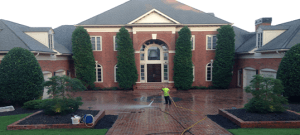
Brick pavers can make a big difference in the overall look of your property. Whether they are used for a driveway, patio, walkway, or pool deck, they add character and curb appeal that plain concrete often cannot match. However, over time, brick pavers can start to lose their clean, polished appearance. Dirt builds up, weeds begin to grow between the joints, sand washes away, and the color can start to fade.
That is where brick paver restoration comes in.
Brick paver restoration is the process of bringing worn, faded, or dirty pavers back to life. It typically involves three main steps: cleaning, re-sanding, and sealing. Each step plays an important role in improving both the appearance and longevity of your paved surfaces.
Why Brick Pavers Need Restoration
Brick pavers are built to last, but they are constantly exposed to the elements. Rain, sun, foot traffic, vehicle traffic, mold, mildew, algae, and debris can all take a toll over time. Even if the pavers themselves are still structurally sound, the surface can start to look uneven, stained, or neglected.
In many cases, the problem is not that the pavers need to be replaced. They simply need to be restored. Professional restoration can refresh the appearance of the area and help protect it from further wear.
Step One: Deep Cleaning the Pavers
The first step in brick paver restoration is a thorough cleaning. This removes built-up dirt, grime, moss, algae, mildew, and other surface stains that have collected over time. It also helps prepare the surface for the next stages of the restoration process.
Professional cleaning is important because pavers need more than just a quick rinse. A proper cleaning process targets the buildup in the joints and on the surface without causing unnecessary damage. Once cleaned, the original color and texture of the pavers often become much more visible.
This step can also reveal any problem areas, such as stains, low spots, or damaged joints, that need attention before moving forward.
Step Two: Re-Sanding the Joints
After the pavers are cleaned, the joints between them usually need to be re-sanded. Joint sand is essential because it helps keep the pavers locked in place. It also helps reduce shifting, weed growth, and insect activity between the stones.
Over time, rain, wind, pressure washing, and general wear can wash away or loosen the sand between the pavers. When that happens, the pavers may begin to move slightly, and weeds or moss can start to grow in the gaps.
Re-sanding restores stability to the paved surface. Fresh sand is swept into the joints to fill those spaces properly and support the overall structure of the paver system. Without this step, the surface may not hold up as well over time, even if it looks cleaner.
Step Three: Sealing the Surface
Once the pavers are clean and the joints have been re-sanded, the final step is sealing. Sealing helps protect the pavers from future staining, fading, and moisture absorption. It also helps hold the joint sand in place and can enhance the overall appearance of the surface.
Depending on the type of sealer used, sealing may give the pavers a more natural finish or a richer, more enhanced color. Either way, it adds a layer of protection that helps the surface stay cleaner and look better for longer.
Sealing can be especially beneficial in areas that deal with heavy sun exposure, frequent rain, pool water, oil drips, or regular foot and vehicle traffic. It is one of the best ways to preserve the results of the restoration process.
The Benefits of Brick Paver Restoration
Restoring brick pavers does more than improve appearance. It can also help extend the life of your outdoor surfaces and protect your investment. Some of the biggest benefits include:
Improved curb appeal
Clean, freshly restored pavers can dramatically improve the look of your home or business.
Better surface stability
Re-sanding helps keep pavers properly supported and reduces movement over time.
Protection from stains and weather
Sealing creates a barrier that helps guard against moisture, dirt, and discoloration.
Reduced weed and moss growth
Filling the joints and sealing the surface can help limit unwanted growth between pavers.
A more cost-effective alternative to replacement
If the pavers are still in good condition, restoration is often much more affordable than tearing everything out and starting over.
When to Schedule Brick Paver Restoration
If your pavers look faded, dirty, uneven in color, or have weeds growing between the joints, it may be time for restoration. You may also notice that the sand between the pavers has started to disappear or that water no longer beads on the surface, which can be a sign that any previous sealer has worn off.
Addressing these issues early can help prevent more serious deterioration and keep your paved surfaces looking their best.
Restore the Look of Your Pavers
Brick paver restoration is a smart way to refresh and protect your outdoor surfaces without the cost of full replacement. Through professional cleaning, re-sanding, and sealing, your pavers can look cleaner, brighter, and better protected against the elements.
If your patio, walkway, driveway, or pool deck is starting to show signs of wear, Adams Power Wash can help restore it. Our team provides professional exterior cleaning services throughout Southeast Michigan to help your surfaces look their best again. Contact us today at (248) 895-8962 to learn more about brick paver restoration and to schedule a service.
Leave a Reply
You must be logged in to post a comment.